No-heat plant-based setups shift the way you approach hosting. Instead of cooking multiple dishes, you focus on how to combine simple ingredients into a table that feels complete.
This approach removes the pressure of timing and preparation. You work with ready-to-eat elements, arrange them with intention, and create a setup that is easy to manage from start to finish.
In this guide, you’ll learn how to build no-heat plant-based setups using a clear structure. From choosing your base to balancing your table, each step is designed to help you host with less effort and more control.
The goal is not to do more. The goal is to keep your table simple, flexible, and easy to repeat.
Affiliate Disclosure: Some links on this page are affiliate links. If you purchase through them, I may earn a small commission at no extra cost to you. Every recommendation is something I would use myself.
I. The Philosophy: No-Heat Plant-Based Hosting
No-heat plant-based hosting is built on one simple shift. You stop thinking like a cook and start thinking like a curator.
Instead of planning dishes, you build combinations. Instead of timing recipes, you arrange what already works together. This keeps your table flexible and your time your own.
This is where no-heat plant-based setups make sense. You rely on ingredients that are ready to serve, easy to combine, and consistent every time. The focus moves from effort to structure.
A good table does not need complexity. It needs balance, spacing, and a clear starting point. When you have that, hosting becomes easier to repeat and easier to enjoy.
This approach becomes clearer once you understand how no-heat plant-based setups are structured in practice.
II. What Are No-Heat Plant-Based Setups
No-heat plant-based setups are built from ready-to-eat ingredients that require no cooking. You combine fresh produce, pantry items, and simple spreads into a table that feels complete without using a stove.
These setups usually include a base, a protein, fresh elements, and one or two accents. Each part supports the others, so nothing feels random or excessive.
III. How to Build No-Heat Plant-Based Setups
Once you understand the structure, building no-heat plant-based setups becomes simple and repeatable.
Follow this structure when you want a table that feels balanced and easy to assemble.
- Step 1: Choose a Base. Start with something that holds the rest of the elements. Flatbreads, crackers, or leafy greens work well. This anchors your setup and gives it form.
- Step 2: Add a Plant-Based Protein. Use hummus, beans, lentil spreads, or tofu. This adds substance and keeps the setup satisfying without cooking.
- Step 3: Layer Fresh Elements. Add sliced vegetables or fruits for texture and contrast. This keeps the table light and balanced.
- Step 4: Add One Accent. Include nuts, seeds, or a simple drizzle like olive oil or tahini. Keep this minimal so it supports, not overwhelms.
- Step 5: Keep It Balanced. Step back and remove anything that feels excessive. A few well-chosen elements work better than too many options. Pair this with your minimalist table setup with glassware for a complete table.
With this structure in place, it helps to see how these elements come together on a real table.
IV. A Simple No-Heat Plant-Based Setup
Here’s a clear example you can follow without overthinking.
- Serves: 4–6
- Base: flatbreads and crackers
- Protein: hummus and white beans
- Fresh: sliced cucumbers and cherry tomatoes
- Accent: olive oil and toasted seeds
- Layout: group items in small clusters and keep spacing open
This setup shows how no-heat plant-based setups come together with simple combinations and a clear structure.
Once you see a full setup, the next step is understanding the individual parts that make it work.
THE SPRING BLUEPRINT SERIES
A simple system for effortless hosting. Each part builds on the next so your table comes together without stress.
-
The Philosophy
Spring Hosting for the Chilled Kitchen -
The Provisions
Spring Hosting Pantry Essentials -
The Vessels
Simple Glassware Setup Guide -
The Greens
No-Heat Plant-Based Setups For Easy Spring Hosting
V. The Core Components of a No-Heat Table
Each setup is built from a few consistent components that keep everything organized and easy to repeat.
Think in parts, not recipes.
A. the base (Structure and Crunch)
The base gives your table structure. It holds everything together and makes your setup easy to assemble and serve.
Use simple, ready-to-eat options like seeded crackers, flatbreads, or light wraps made from plant-based ingredients. These create a clean foundation without adding extra steps.
Keep your selection focused. One or two base options are enough to support your no-heat plant-based setups without making the table feel crowded.
This is where everything starts. When your base is clear and consistent, the rest of your table becomes easier to build and adjust.
B. The Protein (Adding Substance)
The protein gives your table weight. It turns simple combinations into something satisfying and complete.
Use ready-to-eat options like hummus, beans, lentil spreads, or marinated tofu. These add depth without requiring any preparation.
Keep it simple. One or two protein options are enough to support your no-heat plant-based setups without overwhelming the table.
When your protein is balanced with your base, your setup feels grounded and easy to serve.
C. The Fresh Elements (Balance and Contrast)
Fresh elements bring contrast to your table. They add texture, color, and a sense of lightness that keeps everything balanced.
Use sliced vegetables or fruits that are easy to prepare and serve. Cucumbers, tomatoes, greens, or seasonal fruit all work well.
Keep cuts simple and portions controlled. This keeps your table clean and easy to navigate.
When fresh elements are paired with your base and protein, your no-heat plant-based setups feel complete without needing anything extra.
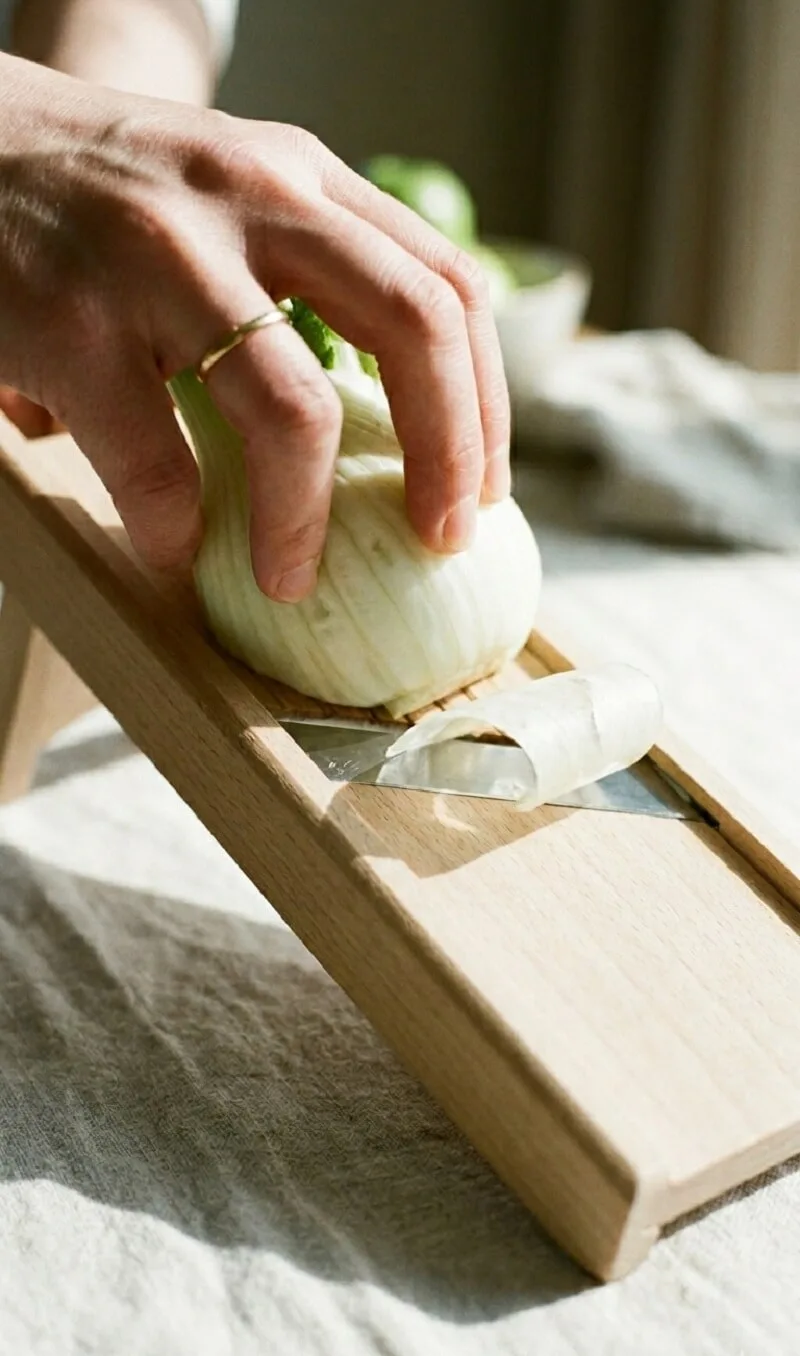
The Curator’s Insight: Use a mandoline to create “Translucent Sheets.” When fennel is sliced so thin it becomes see-through, it loses its “toughness” but keeps its “snap.”
“To achieve this specific transparency, I use this Japanese-style Mandoline.”
SHARP NOTE
“The “Ice-Shock” Mandate. After slicing your structural greens, submerge them in a bowl of filtered water and 20 ice cubes for 15 minutes. This creates “Cellular Turgor”—the plant cells swell, making the vegetable curl and crisp into a 3D shape that holds its own height on the plate. For the Ice-Shock, you need a vessel that holds the cold. I prefer these KitchenAid Stainless Steel Mixing Bowls.”
D. The Accents (Finishing Touches)
Accents bring everything together. They add a final layer of flavor without taking over the table.
Use small additions like olive oil, nuts, seeds, or a simple dip. These should support your setup, not compete with it.
Limit accents to one or two options. Too many details can make the table feel cluttered.
When used with restraint, accents help your no-heat plant-based setups feel intentional and balanced.
VI. Practical Tips for No-Heat Plant-Based Hosting
A few small decisions can keep your table clean and easy to manage.
VII. Common Mistakes in No-Heat Plant-Based Setups
Even simple tables can feel overwhelming when a few details are missed.
- Using too many ingredients. Too many options make the table feel scattered. Keep your selection focused.
- Skipping protein. Without a protein element, the table feels incomplete. Always include one or two.
- Overloading the table. Filling every space removes the sense of balance. Leave room between elements.
- Ignoring texture. A mix of soft, crisp, and creamy elements keeps the setup interesting.
Keeping your no-heat plant-based setups simple makes them easier to assemble and easier to serve.
QUICK CHECKLIST: KEEP IT SIMPLE AND BALANCED
- ✓ Choose 1 base
- ✓ Add 1–2 plant-based proteins
- ✓ Include fresh elements
- ✓ Add one accent
- ✓ Keep spacing open
This keeps your no-heat plant-based setups consistent and easy to repeat.
VIII. Example No-Heat Plant-Based Setups You Can Copy
These examples follow the same structure, so you can adjust them based on what you have.
Fresh and Light Setup (Serves 4)
- Base: seeded crackers
- Protein: hummus
- Fresh: sliced cucumbers, cherry tomatoes
- Accent: olive oil
Layout: keep everything spaced evenly with one central dip.
Hearty Plant-Based Setup (Serves 6–8)
- Base: flatbreads
- Protein: white beans and lentil spread
- Fresh: roasted peppers, greens
- Accent: toasted seeds
Layout: place proteins at the center, surround with fresh elements and bases.
These setups show how no-heat plant-based setups stay flexible while following the same structure.
[The Plant-Based Scout Guide]
A well-built table starts with knowing what to look for. You don’t need specialty ingredients. You need reliable ones.
Focus on items that are ready to serve, easy to combine, and consistent in quality.
Pantry staples:
Beans, lentils, nuts, seeds, and simple spreads. These form the base of most setups.
Fresh additions:
Seasonal vegetables and fruits that add texture and balance.
Simple extras:
Olive oil, herbs, or a light seasoning to bring everything together.
This approach keeps your no-heat plant-based setups flexible. You can adjust based on what’s available without changing your structure.
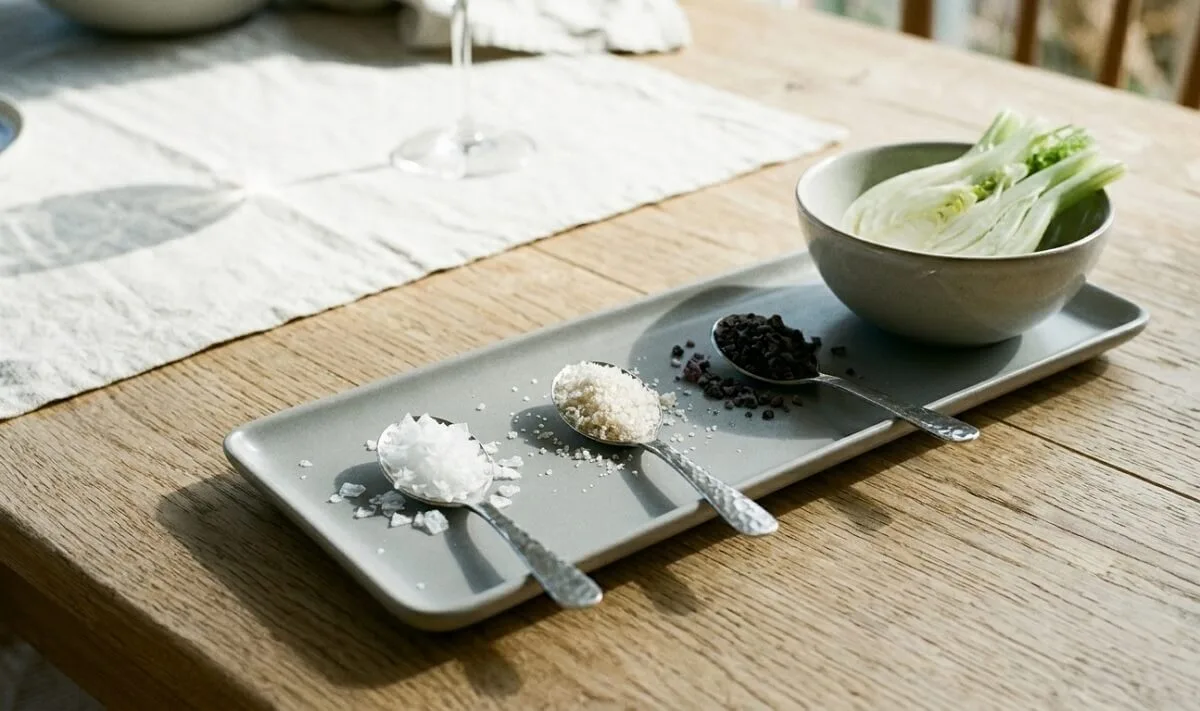
Arrange everything using a minimalist table setup with glassware to keep the presentation clean and intentional.
Frequently Asked Questions
A no-heat plant-based setup is a combination of ready-to-eat plant-based foods that require no cooking and are arranged for easy serving.
Foods like fresh vegetables, fruits, nuts, hummus, bread, and olives require no cooking and work well for hosting.
You host without a stove by preparing no-heat plant-based setups using ready-to-eat ingredients and arranging them in simple combinations.
Bringing It All Together
No-heat plant-based setups work because they rely on structure, not complexity. When you focus on a few key elements and keep your layout balanced, your table comes together without pressure.
You don’t need a long list of ingredients or a detailed plan. You need a clear starting point and a simple way to build from it.
Once you understand how to combine your base, protein, fresh elements, and accents, hosting becomes easier to manage and easier to repeat.
Start with what you have, keep your setup focused, and adjust as needed. Over time, this becomes a natural way to host without overthinking every detail.
Stay Sharp, — Joan